And
Introduction
The word "and" is one of the most common words in the English language. It is used to connect two or more words, phrases, or clauses. It can also be used to add emphasis or to create a sense of continuity.
In this blog post, we will explore the many different ways that the word "and" can be used. We will also provide some valuable insights and updates on the latest trends in the use of this versatile word.
Main Content
The word "and" can be used in a variety of ways, but some of the most common include:
- To connect two or more words or phrases: "The cat and the dog were playing in the park."
- To add emphasis: "I love chocolate and ice cream."
- To create a sense of continuity: "I went to the store and bought some milk and bread."
- To introduce a list: "Here are some things you need to do to get started: and."
- To show cause and effect: "I was tired and I went to bed."
- To contrast two things: "I like coffee and you like tea."
The word "and" can also be used in more creative ways. For example, it can be used to create compound words, such as "andiron" (a metal support for a fire) or "andvance" (to advance and surpass).
Updates
In recent years, the use of the word "and" has been evolving. For example, it is now becoming more common to use "and" to connect two independent clauses. This was previously considered to be incorrect grammar, but it is now becoming more accepted.
Another trend in the use of "and" is the use of it to create a sense of informality. For example, it is now common to see people use "and" in text messages and emails.
Conclusion
The word "and" is a versatile word that can be used in a variety of ways. It can be used to connect words, phrases, clauses, and even sentences. It can also be used to add emphasis, create a sense of continuity, or introduce a list.
In recent years, the use of the word "and" has been evolving. It is now becoming more common to use "and" to connect two independent clauses and to create a sense of informality.
We hope that this blog post has provided you with some valuable insights and updates on the latest trends in the use of the word "and."
Companion planting is a gardening practice that has been around for centuries. It involves planting different types of plants together in order to create beneficial relationships between them. These relationships can take many forms, such as attracting beneficial insects, deterring pests, or improving soil health.
There are many different benefits to companion planting. For example, it can help to:
- Increase crop yields
- Improve plant health
- Repel pests
- Attract beneficial insects
- Improve soil quality
If you are interested in learning more about companion planting, I recommend visiting the website Gardenia Inspiration. This website has a wealth of information on the topic, including lists of companion plants, tips for planning your garden, and articles about the benefits of companion planting.
FAQ of companion growing
Q: What is companion planting?
A: Companion planting is the practice of planting certain types of plants together in order to benefit each other. Some plants can help to attract beneficial insects, deter pests, or improve the overall health of their companions.
Q: What are the benefits of companion planting?
A: There are many benefits to companion planting, including:
- Increased crop yields
- Improved plant health
- Reduced pest and disease problems
- Increased biodiversity
- Enhanced beauty of the garden
Q: How do I choose companion plants?
A: There are many resources available to help you choose companion plants. Some good places to start include:
- Books on companion planting
- Online resources
- Local gardening experts
Q: How close should companion plants be planted?
A: The specific distance between companion plants will vary depending on the plants involved. However, as a general rule of thumb, plants that have known beneficial relationships (friends) should be planted within two or three rows of each other.
Q: What are some common companion plants?
A: Some common companion plants include:
- Beans and corn: Beans fix nitrogen in the soil, which benefits corn. Corn provides shade for beans, which helps to prevent them from bolting.
- Carrots and onions: Carrots attract nematodes, which can be harmful to onions. Onions repel carrot flies, which can be harmful to carrots.
- Lettuce and tomatoes: Lettuce shades the roots of tomatoes, which helps to prevent them from drying out. Tomatoes attract pollinators, which help to pollinate lettuce.
- Marigolds and most vegetables: Marigolds repel many common garden pests.
Image of companion growing
- Image 1: Basil and tomatoes. Basil is a good companion plant for tomatoes, helping to repel aphids, spider mites, mosquitoes, and flies. It's also thought that basil improves the pepper's flavor.
- Image 2: Marigolds and vegetables. Marigolds are another good companion plant for tomatoes, as well as other vegetables. They help to repel nematodes and other garden pests.
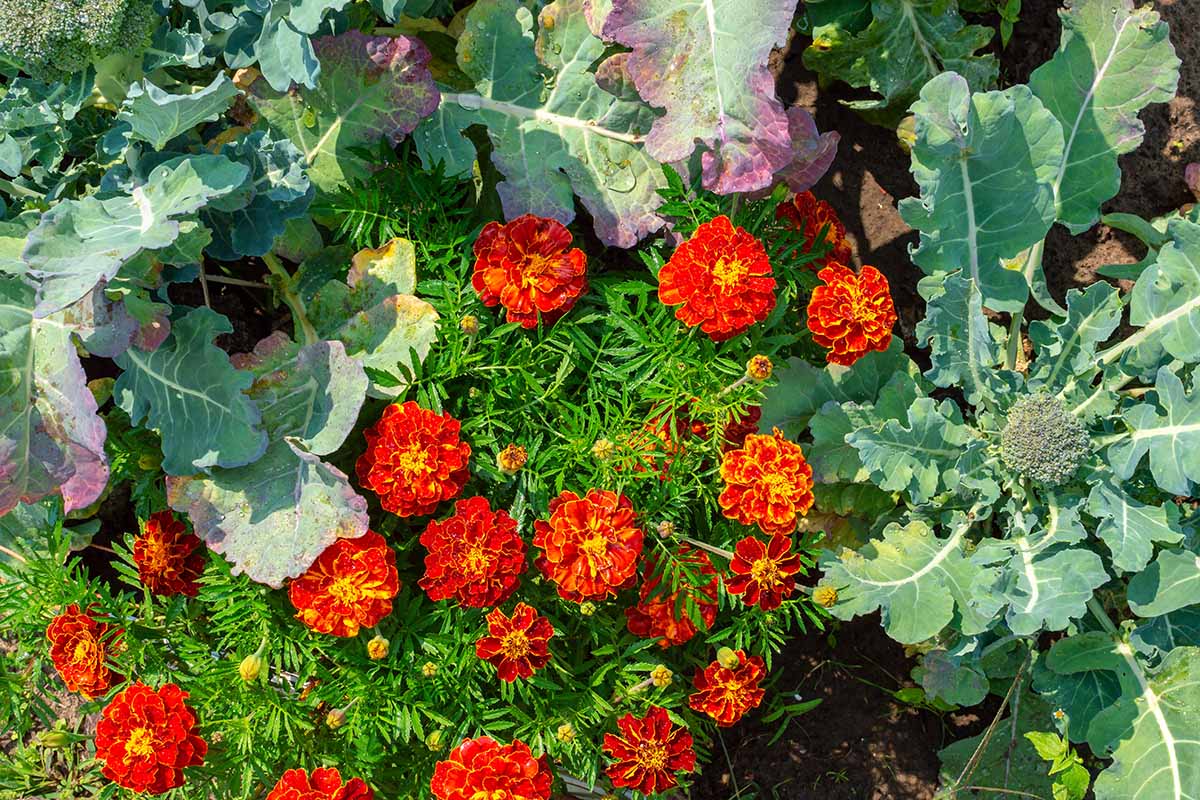
- Image 3: Corn, beans, and squash. The Three Sisters is a traditional Native American companion planting method that involves planting corn, beans, and squash together. The corn provides support for the beans, the beans fix nitrogen in the soil, and the squash shades the ground, suppressing weeds.
- Image 4: Carrots and radishes. Radishes can be planted among carrots to attract cucumber beetles away from the cukes. They also do well among carrots because they are harvested before the carrots and they loosen the soil as the carrots start to take off.

- Image 5: Lavender and roses. Lavender is a good companion plant for roses, as it helps to repel aphids, spider mites, and other pests. It also helps to improve the fragrance of the roses.

Post a Comment for "And"