Summer Savory: The Herb That Loves To Be Neighborly
Summer savory is a versatile herb that can be used in a variety of dishes, from savory pies to grilled meats. It has a strong, slightly peppery flavor that can add depth and complexity to any meal. Summer savory is also a great addition to herb gardens, as it is a low-maintenance plant that is easy to grow.
In this blog post, we will explore the history, benefits, and uses of summer savory. We will also provide some tips on how to grow and care for this delicious herb.
History of Summer Savory
Summer savory has been used for centuries as a culinary herb and medicinal plant. It is native to the Mediterranean region, but it is now grown in many parts of the world. The earliest known mention of summer savory is in a Greek herbal from the 1st century AD. The herb was also used by the Romans, who called it "satureja."
In medieval Europe, summer savory was used to treat a variety of ailments, including stomachache, fever, and headache. It was also used as a breath freshener and to ward off evil spirits.
Benefits of Summer Savory
Summer savory is a good source of vitamins A and C, as well as minerals such as iron, calcium, and magnesium. It also contains antioxidants, which can help protect the body against damage from free radicals.
In addition to its nutritional benefits, summer savory has a number of medicinal properties. It has been shown to have antibacterial, antifungal, and anti-inflammatory effects. It can also help to improve digestion and reduce bloating.
Uses of Summer Savory
Summer savory can be used in a variety of dishes, both savory and sweet. It is a popular ingredient in soups, stews, and sauces. It can also be used to flavor grilled meats, poultry, and fish.
Summer savory is also a good addition to salads, sandwiches, and pizzas. It can be used to make tea or infused in olive oil.
How to Grow Summer Savory
Summer savory is a relatively easy herb to grow. It prefers full sun and well-drained soil. Summer savory can be started from seed or from cuttings.
If you are starting from seed, sow the seeds directly in the garden in the spring. The seeds will germinate in about 2 weeks.
If you are starting from cuttings, take 4-6 inch cuttings from a healthy plant in the spring or summer. Plant the cuttings in a pot of well-drained soil and keep the soil moist. The cuttings will root in about 2 weeks.
Conclusion
Summer savory is a versatile and flavorful herb that can be used in a variety of dishes. It is also a good source of vitamins and minerals, and it has a number of medicinal properties. If you are looking for an easy-to-grow herb that can add depth and complexity to your meals, summer savory is a great option.
Summer savory is a delicious and versatile herb that can be used in a variety of dishes. It is also a great companion plant, meaning that it can benefit other plants in the garden. Some of the best companion plants for summer savory include beans, melons, onions, garlic, and tomatoes. These plants help to attract beneficial insects, repel pests, and improve the overall health of the garden.
If you are interested in learning more about summer savory companion plants, I recommend visiting Garden Wiki. This website has a wealth of information about companion planting, including a list of the best companion plants for summer savory. You can also find tips on how to plant and care for summer savory, as well as recipes that feature this delicious herb.
FAQ of summer savory companion plants
What are the best companion plants for summer savory?
Some of the best companion plants for summer savory include:
- Beans: Beans fix nitrogen in the soil, which is beneficial for summer savory.
- Melons: Melons attract pollinators, which help to pollinate summer savory flowers.
- Onions: Onions repel pests such as aphids and spider mites, which can damage summer savory plants.
- Garlic: Garlic repels pests such as thrips and cabbage worms, which can damage summer savory plants.
- Tomatoes: Tomatoes and summer savory have a synergistic relationship, meaning that they benefit each other when they are grown together.
What are some plants that should not be planted near summer savory?
Some plants that should not be planted near summer savory include:
- Cucumbers: Cucumbers and summer savory compete for water and nutrients, so it is best to avoid planting them together.
- Carrots: Carrots and summer savory can cross-pollinate, which can result in the loss of the desirable qualities of both plants.
- Brassicas: Brassicas, such as broccoli, cabbage, and cauliflower, are susceptible to the same pests and diseases as summer savory, so it is best to avoid planting them together.
What are the benefits of companion planting with summer savory?
There are many benefits to companion planting with summer savory, including:
- Increased crop yields: Companion plants can help to attract pollinators, which can increase crop yields.
- Improved soil health: Companion plants can help to improve soil health by fixing nitrogen, suppressing weeds, and attracting beneficial insects.
- Reduced pest and disease pressure: Companion plants can help to reduce pest and disease pressure by repelling pests, attracting predators, and breaking the pest lifecycle.
How do I plant summer savory with companion plants?
When planting summer savory with companion plants, it is important to consider the following factors:
- The size and growth habit of the plants: Some plants, such as tomatoes, grow tall and need plenty of space. Other plants, such as onions, grow more compactly. It is important to choose companion plants that will not compete for space.
- The sun exposure needs of the plants: Some plants, such as summer savory, need full sun. Other plants, such as cucumbers, prefer partial shade. It is important to choose companion plants that have similar sun exposure needs.
- The soil requirements of the plants: Some plants, such as tomatoes, prefer rich, well-drained soil. Other plants, such as beans, prefer sandy soil. It is important to choose companion plants that have similar soil requirements.
Image of summer savory companion plants
- Beans: Summer savory and beans are a classic companion plant combination. The beans help to fix nitrogen in the soil, which benefits the savory plants. The savory plants also help to deter bean beetles.
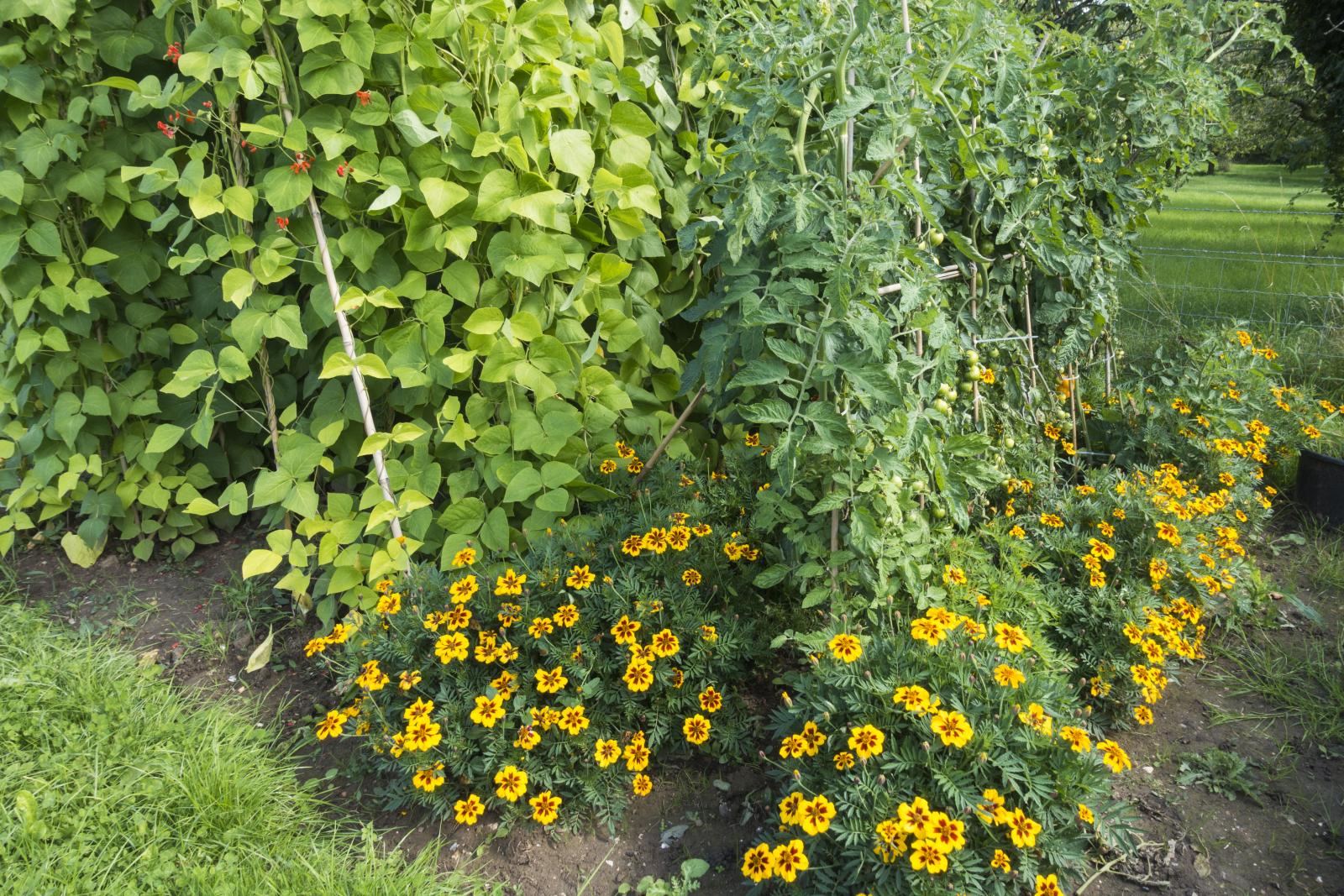
- Melon: Summer savory can be planted near melons to help deter pests. The savory plants' strong scent can help to repel cucumber beetles, squash bugs, and other pests.
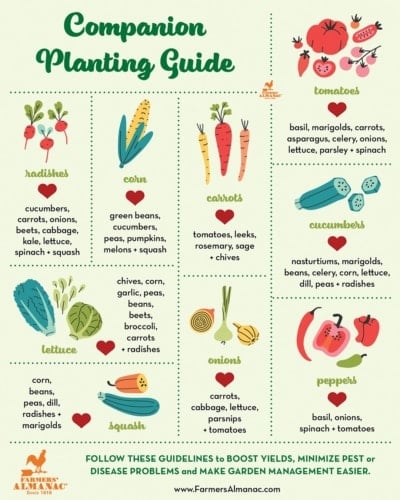
- Onions: Summer savory and onions are also good companion plants. The onions help to repel carrot flies, which can be a problem for savory plants. The savory plants also help to improve the flavor of onions.
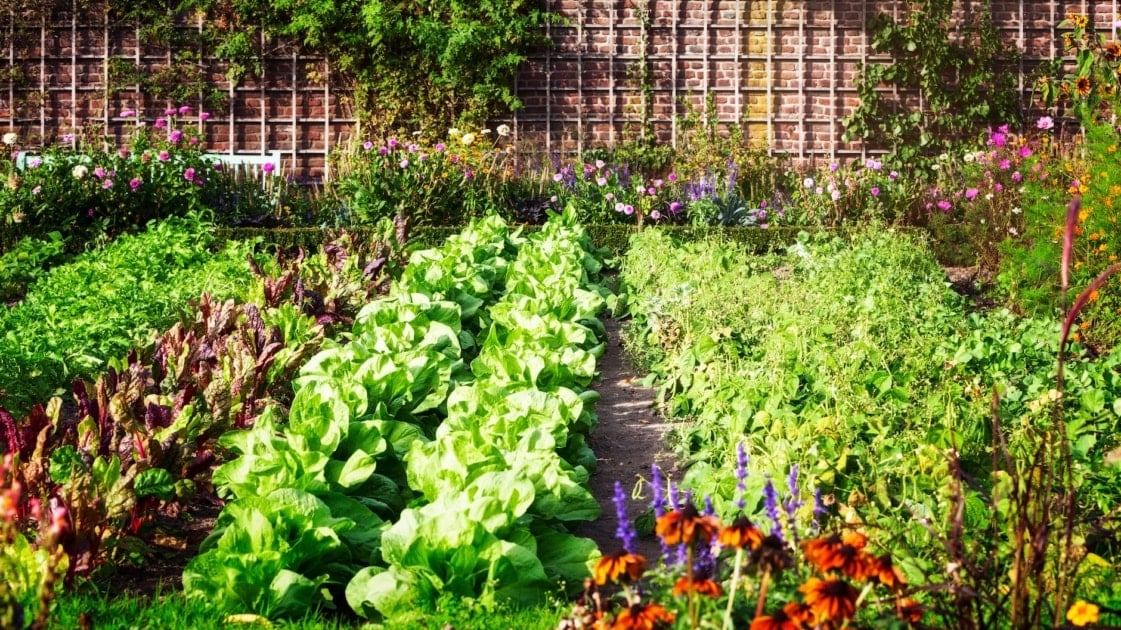
- Garlic: Garlic is another good companion plant for summer savory. The garlic helps to repel aphids, which can be a problem for savory plants. The savory plants also help to improve the flavor of garlic.

- Tomatoes: Summer savory and tomatoes are a good combination because they have similar growing requirements. They both prefer full sun and well-drained soil. The savory plants can help to deter tomato hornworms and other pests.

Post a Comment for "Summer Savory: The Herb That Loves To Be Neighborly"